GLP-1 vs. Bariatric Surgery: Which Weight Loss Option Is Better for Long-Term Success?
Both can help you lose weight. They are built for different timelines. Here is how GLP-1 medications and bariatric surgery compare over the long term.
★★★★★ 4.8 stars · 1,279 Google Reviews
Fellowship-trained Bariatric Surgeons
Fayetteville, Fort Smith and Tulsa
GLP-1s vs. Bariatric Surgery: Different Tools for Different Goals
GLP-1 medications can be an effective option for people with a lower BMI or those looking to lose approximately 20–40 pounds. For patients who need to lose significantly more weight, however, the long-term cost, duration of treatment, and expected outcomes make it important to compare medication with bariatric surgery.
The question worth asking is what happens over years rather than months. GLP-1 medications manage appetite for as long as you take them. Bariatric surgery changes the anatomy and hormones that regulate hunger, so the effects continue after treatment ends.
Both are legitimate tools. They are designed for different timelines.
60%
of excess weight lost within six months
77%
of excess weight lost in the first year
50%
of excess weight loss maintained at five years
Two Tools, Two Timelines
GLP-1 Medications
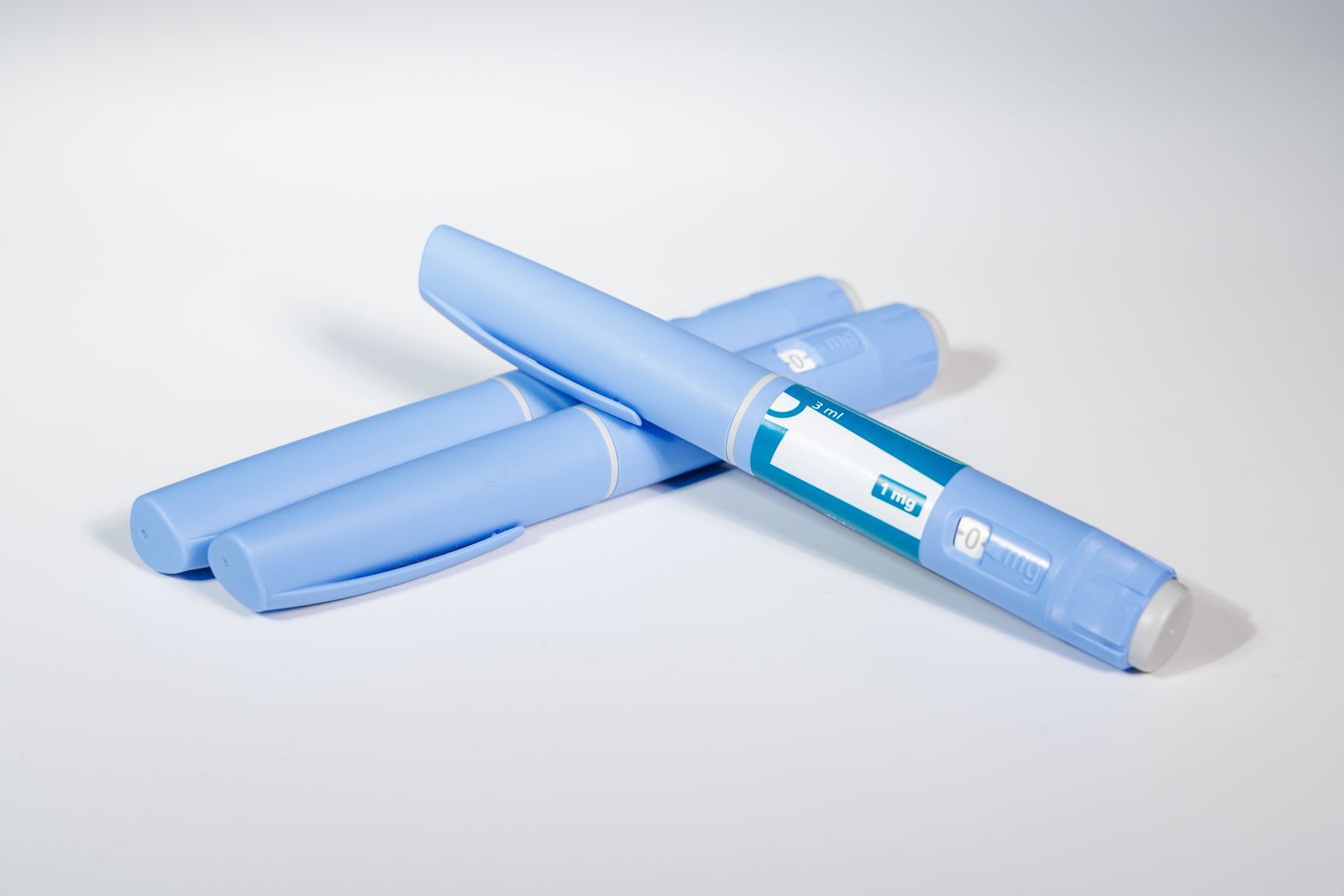
Mimic a hormone that reduces appetite, slows digestion, and steadies blood sugar. They manage appetite effectively while they are being taken.
Bariatric Surgery
Reduces stomach size and, in some procedures, reroutes the small intestine. This lowers ghrelin, the hormone that drives hunger, and improves insulin sensitivity.
- DESIGNED FOR CONTINUOUS USE
- DESIGNED TO CHANGE HOW THE BODY REGULATES WEIGHT
GLP-1 vs. Bariatric Surgery: What Is the Difference?
GLP-1 Medications
Bariatric Surgery
How it works
Reduces appetite through medication
Changes anatomy and hormone signaling
Schedule
Weekly injections, continued indefinitely
One procedure, with lifelong follow-up care
Duration of effect
Lasts while the medication is taken
Continues after recovery
If treatment ends
Appetite returns to its previous level
Anatomical and hormonal changes remain
Type 2 diabetes
May improve control while taking it
Often significant improvement or remission
Not sure which path fits?
A consultation is the fastest way to find out.
Why Obesity Is More Than a Matter of Willpower
Obesity is a chronic disease. After weight loss, the body works to restore what it lost. Hunger hormones rise and metabolism slows. Anyone losing weight through diet alone is working against their own physiology.
This is why effective treatment usually means changing those signals rather than resisting them. Medications counter them while they are being taken. Surgery changes them.
Our Weight Loss Surgery Options in Fayetteville
Modified Duodenal Switch
Combines a sleeve gastrectomy with changes to the small intestine. Produces the greatest long-term weight loss and metabolic improvement we offer, with many patients losing up to 90 percent of their excess weight.
Gastric Bypass
Creates a smaller stomach pouch and reroutes the digestive tract. Especially effective for Type 2 diabetes, sleep apnea, GERD, and high blood pressure.
Traditional Duodenal Switch
The combination of malabsorption and restriction makes the traditional DS, ModDS surgery, and RYGB extremely effective at enabling patients to lose weight and keep it off. Patients can lose more weight with bariatric surgeries that have both restrictive and malabsorptive components.
Gastric Sleeve
Removes part of the stomach. Patients feel full sooner, and because the removed section produces most of the body’s ghrelin, hunger itself drops. Typically produces loss of 60 to 70 percent of excess weight within a year.
What Happens When You Stop Taking a GLP-1?
GLP-1 medications are designed for ongoing use. That is not a shortcoming, it is how they work, in the same way blood pressure medication works only while you take it.
The practical question is whether ongoing use fits your life over five, ten, or twenty years. For some people it will. For others, cost, insurance coverage, supply, or side effects make indefinite use difficult to sustain.
If treatment stops, appetite returns to where it was, because the underlying physiology has not changed.
Bariatric surgery takes a different approach. The stomach stays smaller. Ghrelin production stays lower. The metabolic changes hold. That is what makes it the more durable option for patients whose priority is long-term success.
Which GLP-1 Medication Are You Considering?
These medications are often discussed as a group,
but they differ in active ingredient and approved use.
Ozempic and Wegovy
Both use semaglutide. Ozempic is approved for Type 2 diabetes; Wegovy is approved for weight management. Both mimic the GLP-1 hormone to reduce appetite and slow digestion.
Mounjaro and Zepbound
Both use tirzepatide, which acts on two hormone receptors rather than one. Mounjaro is approved for Type 2 diabetes; Zepbound is approved for weight management.
All four are designed for ongoing use. Bariatric surgery is designed to change how your body regulates weight, so the effects continue on their own.
Is Weight Loss Surgery Right for You?
- You have lived with obesity for years
- Diets, programs, or medications have not produced results you were able to keep
- You have a condition like Type 2 diabetes, sleep apnea, GERD, high blood pressure, or chronic pain
- You want results that do not depend on staying on a prescription
Candidacy also depends in part on BMI. Procedures are generally considered for patients with a BMI of 35 or higher who have an obesity-related condition, or a BMI of 40 or higher.
- ARKANSAS PATIENTS SHOULD ALSO KNOW THAT STATE LAW ADDRESSES COVERAGE FOR WEIGHT LOSS SURGERY.
Not Ready for Surgery?
Surgery is not the right starting point for everyone, and it is not the only thing we offer. Roller Weight Loss provides physician-directed medical weight loss, including nutritional counseling and medication management, along with the Orbera gastric balloon.
Some patients begin with a non-surgical program and consider surgery later. Others find a non-surgical path is the right long-term fit. A consultation is how we work out which makes sense for you.
Why Choose Roller Weight Loss in Fayetteville, AR?
Roller Weight Loss and Advanced Surgery is home to a group of fellowship-trained bariatric and advanced general laparoscopic surgeons serving Northwest Arkansas, Fort Smith, and Tulsa.
Founder Joshua E. Roller, MD is board certified and fellowship trained in advanced, minimally invasive bariatric surgery. He is joined by Yong Kwon, MD, Jaime Dutton, MD, Brian Herritt, MD, Clint Stilwell, MD, and Kristin Roller, MD, who leads bariatric medical evaluation.
★★★★★
4.8 stars, 1,279 Google reviews
Fayetteville, AR
1695 E Rainforest Road, 72703
Fort Smith, AR
12112 Hwy 71 S, 72916
Tulsa, OK
3311 East 46th Street, 74135
Frequently Asked Questions
Is bariatric surgery more effective than GLP-1 medications?
Both produce weight loss. The difference is what happens over time. Bariatric surgery has consistently produced greater long-term weight loss and greater improvement in obesity-related disease, and those results do not depend on continuing a prescription.
Can I have surgery if I am currently taking Ozempic?
In many cases, yes. Many patients come to us while taking a GLP-1 medication, often because they want results that do not depend on staying on it. Your surgical team will review your prescriptions and advise on timing.
Does Roller Weight Loss offer weight loss medications?
Yes. Alongside surgery, we offer physician-directed medical weight loss, including nutritional counseling and medication management. During a consultation we discuss which approach fits your health and your goals.
How much does bariatric surgery cost compared to GLP-1 medications?
GLP-1 medications carry a recurring monthly cost for as long as you take them. Bariatric surgery is a one-time procedure frequently covered by insurance for qualified patients. In some cases, surgery could be the lower total cost.
Can I regain weight after bariatric surgery?
It is possible. Long-term success depends on healthy habits and regular follow-up, which is why our team supports patients well beyond the procedure itself.
Is bariatric surgery covered by insurance in Arkansas?
Many plans cover bariatric surgery for patients who meet medical criteria, and Arkansas law addresses coverage specifically. Requirements vary by plan. Our team verifies your benefits before you commit to anything.
Do you perform bariatric surgery in Fayetteville, AR?
Yes. Roller Weight Loss is located at 1695 E Rainforest Road in Fayetteville, Arkansas, with additional offices in Fort Smith and Tulsa.
Take the Next Step Toward Lasting
Weight Loss in Northwest Arkansas
Meet our surgical team, review every option, and find out which path fits your health and your goals.